
Industrial processes
Particle monitoring in industrial processes
Turn particle variation into continuous process information.
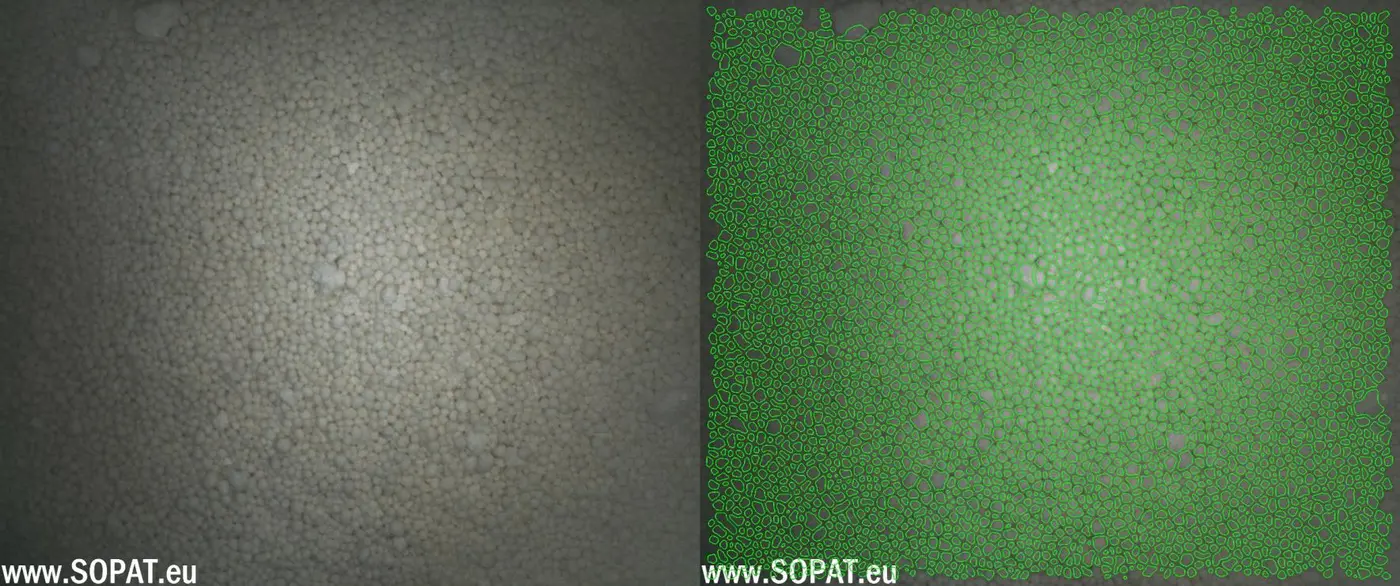
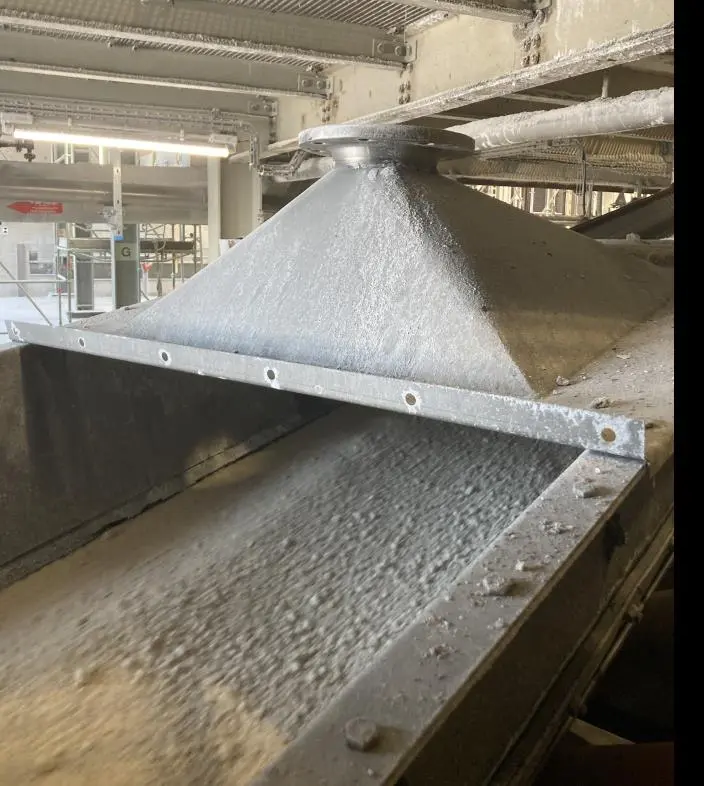
The challenge
Isolated samples may miss starts, transitions, and rapid deviations.
Isolated samples may miss starts, transitions, and rapid deviations. Inline measurement places the data closer to the event that caused it.
Shape, count, and population
Velocity and stream behavior
Starts, transitions, and deviations
Visual results
From the actual object to the process trend.
From objects to data
Continuous information that reveals change.
Size and distribution
Count and population
Shape and morphology
Real-time trends
Technology and application
SOPAT for images; Parsum for flowing solids.
Selection starts with the problem, material state, size range, concentration, operating conditions, and the decision the data must support.
Technical note: The solution must be specified and validated for the product, installation point, and user reference method.
Technical questions
Frequently asked questions about this application.
How do I choose between SOPAT and Parsum?
SOPAT analyzes images of particles, droplets, and bubbles; Parsum targets powders, granules, and pellets in dry streams.
Can transients be tracked?
Continuous acquisition relates trends to starts, adjustments, and deviations.
Can data support control?
Yes, after method validation and suitable automation integration.
Technology and application
Request a technical assessmentLet’s assess your process conditions.
Tell us the product, expected range, concentration, available point, and measurement objective.