No sampling
The product is analyzed in its actual process environment, reducing sampling and preparation bias.

Inline analysis of particles, droplets, and bubbles for monitoring and control of industrial processes.
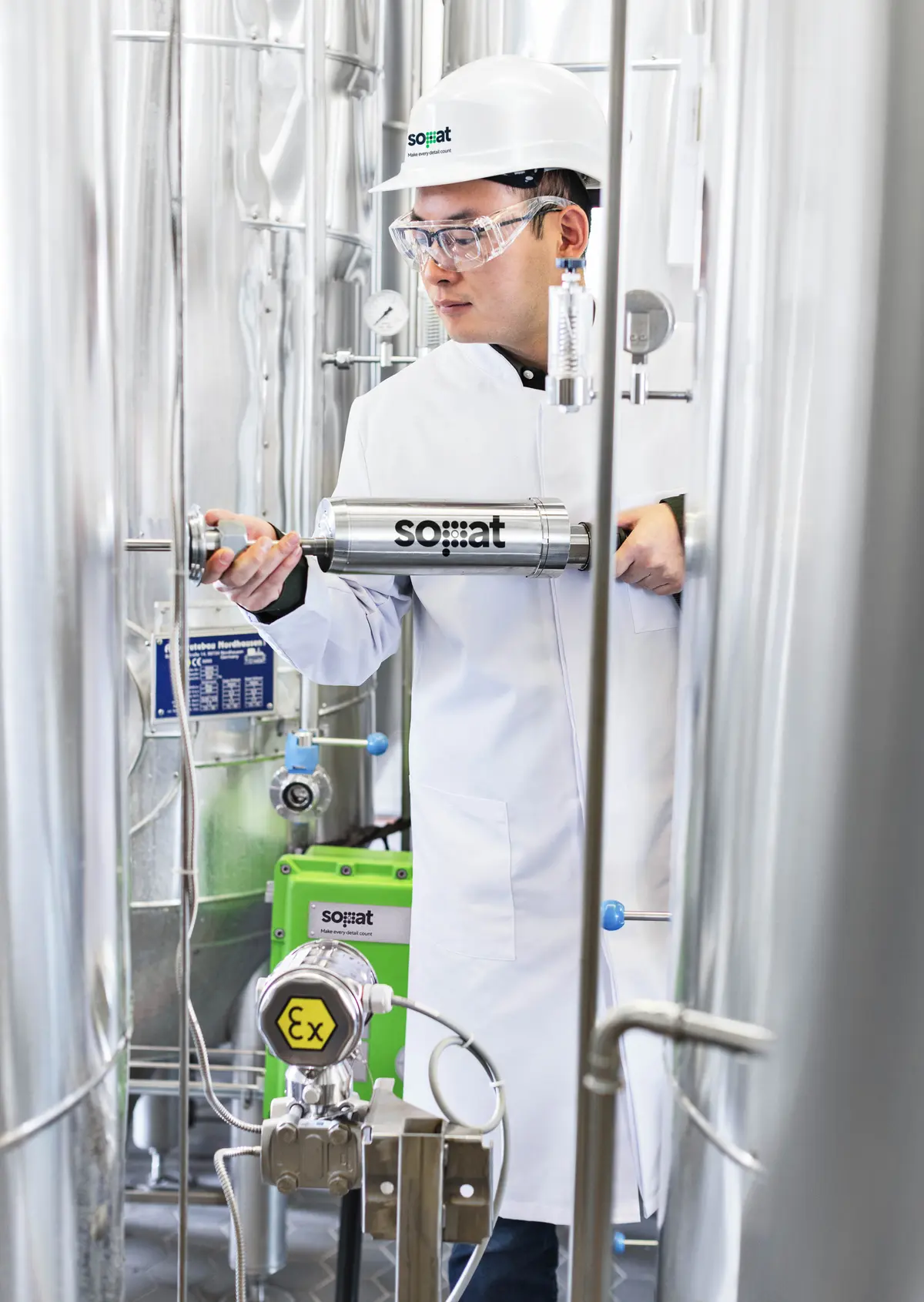
A photo-optical inline probe installed in a vessel, pipeline, or other process equipment captures images directly in the process medium and tracks size, shape, and concentration over time. The appropriate configuration depends on the sample matrix, particle-size range, concentration, and operating conditions.
Explore common technical questions →The probe captures images directly in the process medium. The software detects dispersed-phase objects, calculates distributions, and tracks their evolution—providing continuous insight into nucleation, growth, breakage, coalescence, and agglomeration.
The product is analyzed in its actual process environment, reducing sampling and preparation bias.
Continuous trends and distributions replace isolated measurements that arrive too late.
Results can support process development, monitoring, control, and quality assurance.
The portfolio covers fine dispersions through millimeter-scale particles, but nominal size range alone cannot determine the right probe. The sample matrix, concentration, morphology, optical path length, pressure, temperature, and installation point define the appropriate system.
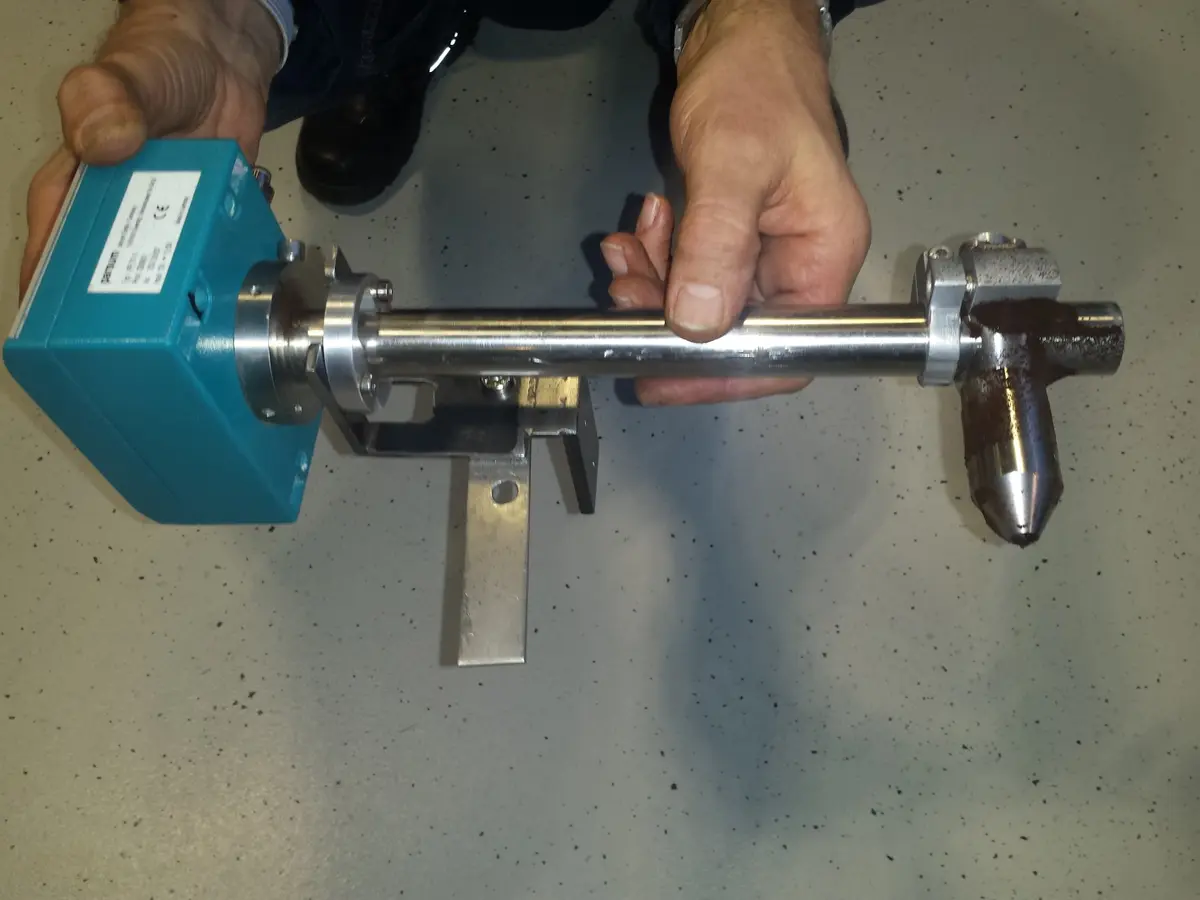
How we select the right probeLaser probes installed directly in the process measure particle size, distribution, and velocity using extended spatial filtering technology (SFT), without sampling.
Primary focus
SOPAT for photo-optical analysis of particles, droplets, bubbles, cells, and aggregates. Parsum for particle-size analysis in dry powder streams. Support from instrument selection through commissioning.
Explore instrumentation →Complementary service
Focused support for technical specifications, bid comparison, laboratory planning, and investment feasibility studies.
See the scope →