
Water treatment
Flocculation monitoring
Follow flocs as they form, break, and reorganize.
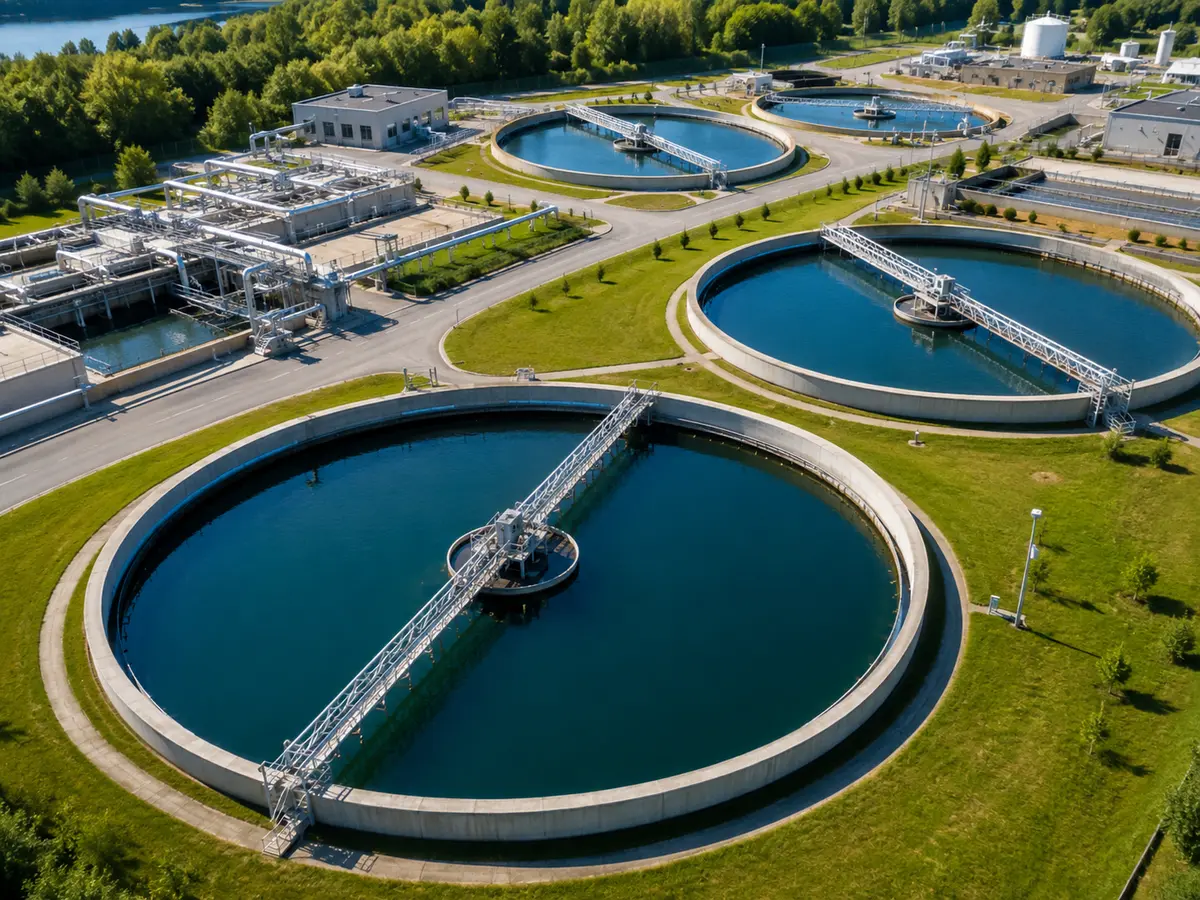
The challenge
Flocculation responds immediately to mixing and dosing.
Flocculation responds immediately to mixing and dosing. Inline analysis preserves structure during measurement.
Growth and distribution
Shear-induced breakage
Reorganization and stability
Visual results
Preserve floc structure during measurement.
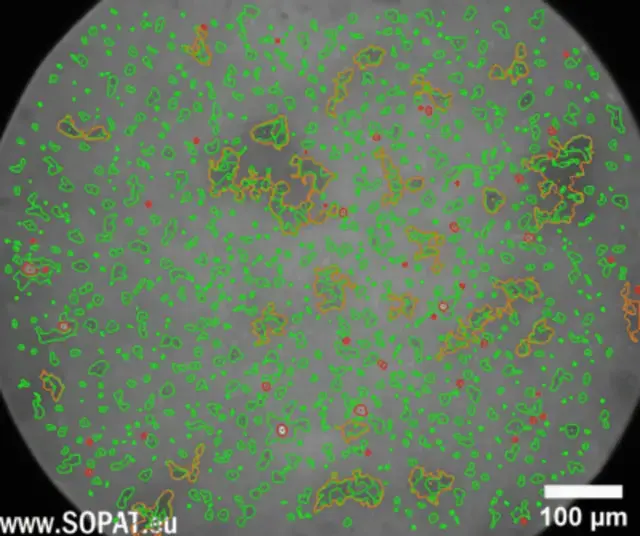
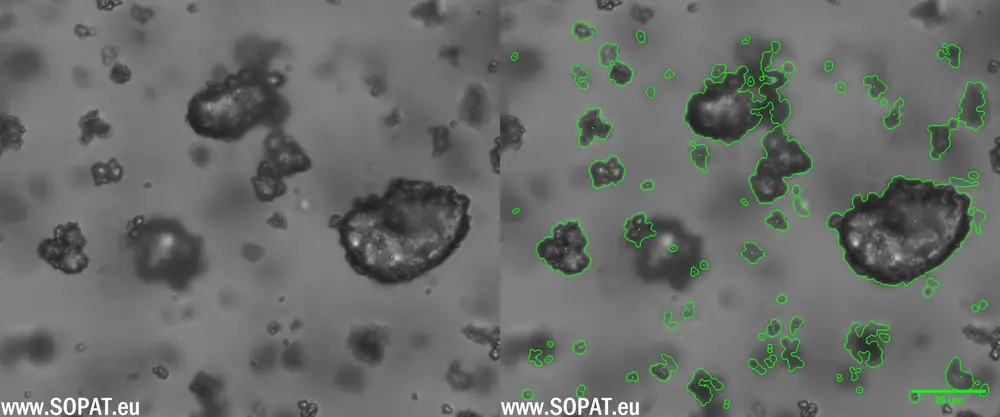
From objects to data
Continuous information that reveals change.
Size and distribution
Count and population
Shape and morphology
Real-time trends
Technology and application
SOPAT: inline imaging for flocculation.
Optics, illumination, and position are selected for turbidity, concentration, and floc size.
Technical note: Hydraulic representativeness is essential for interpreting trends.
Technical questions
Frequently asked questions about this application.
Can sampling break flocs?
Yes; inline analysis reduces changes caused by pumping and preparation.
Can dosing be monitored?
Trends can show response to polymer and mixing changes.
Does it measure turbidity?
Its focus is images and distributions; turbidity is complementary.
Technology and application
Request a technical assessmentLet’s assess your process conditions.
Tell us the product, expected range, concentration, available point, and measurement objective.