
Pulp and paper
Inline analysis for pulp and paper
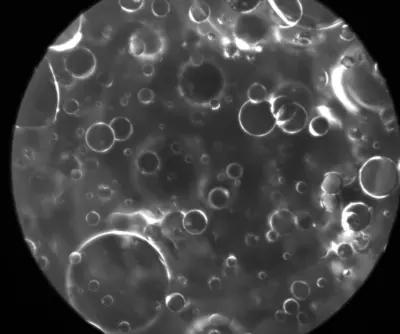
Reveal bubbles and visible impurities directly in the process instead of relying only on periodic samples.
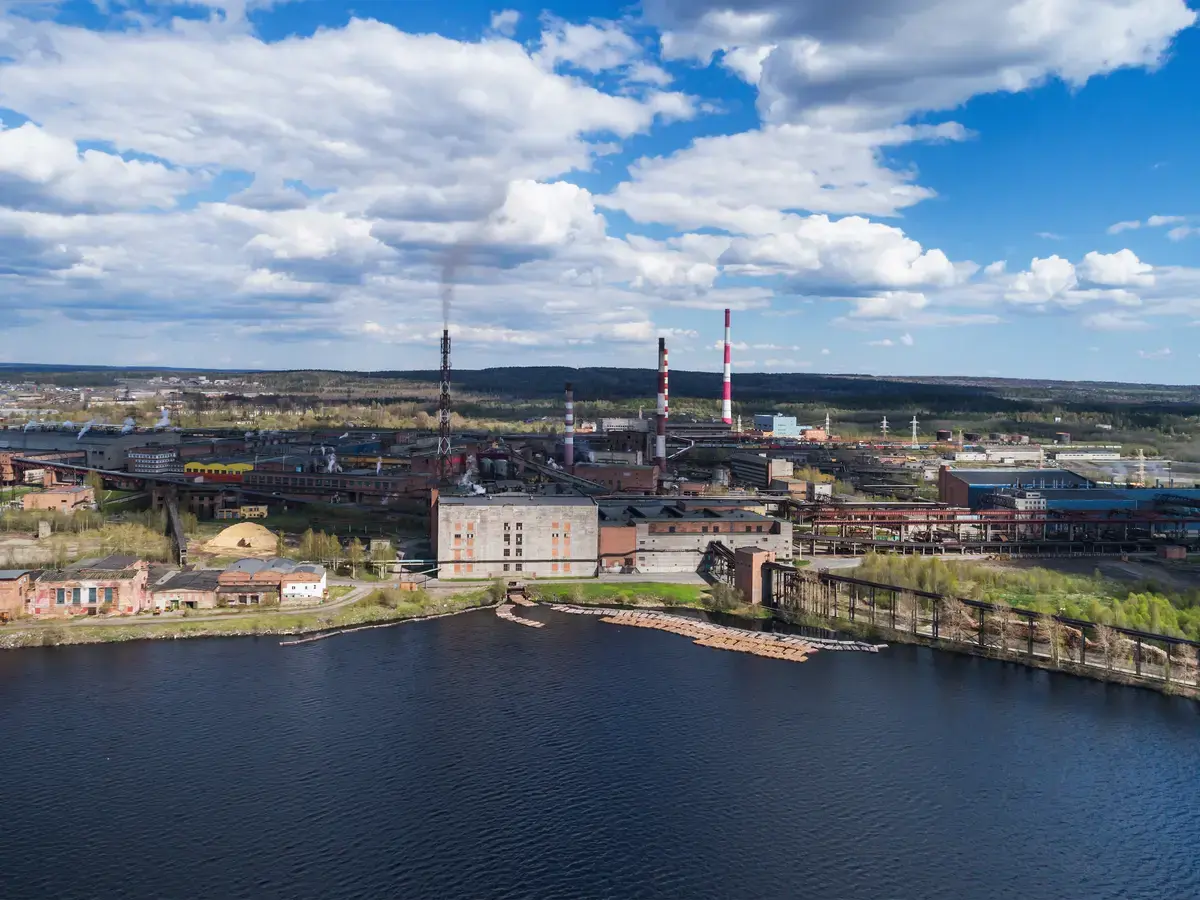
The challenge
Bleaching and pulp cleanliness change continuously.
Bleaching and pulp cleanliness change continuously. Inline imaging follows dispersed gas phases and visible impurities while the process is running.
Gas–liquid contact and mixing response
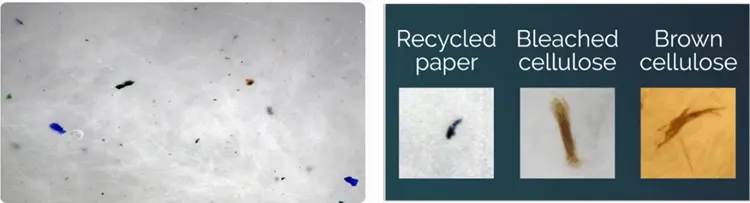
Shives, bark, and plastic contaminants
Fiber bundles and pulp-stock deviations
Visual results
From pulp images to automated classification.
From objects to data
Continuous information that reveals change.
Size and distribution
Count and population
Shape and morphology
Real-time trends
Technology and application
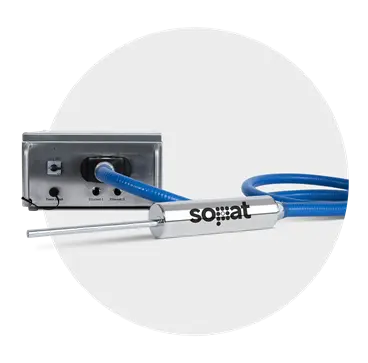
SOPAT: photo-optical imaging in the process.
Probe, illumination, optical path, and algorithm are selected for pulp consistency, concentration, and the objects to be detected.
Technical note: Classification depends on contrast, installation-point representativeness, and validation using real samples.
Technical questions
Frequently asked questions about this application.
Can bubbles be monitored during bleaching?
Yes, when the installation point and optics provide a representative view of the dispersed gas phase.
Which impurities can be detected?
Technical material includes shives, bark, plastics, and fiber bundles, subject to resolution and model validation.
Does it replace laboratory testing?
It provides continuous trends; equivalence with reference methods must be demonstrated.
Technology and application
Request a technical assessmentLet’s assess your process conditions.
Tell us the product, expected range, concentration, available point, and measurement objective.