
Crystallization · PAT
Real-time crystallization monitoring
Track nucleation, crystal growth, and transformation directly in the suspension.
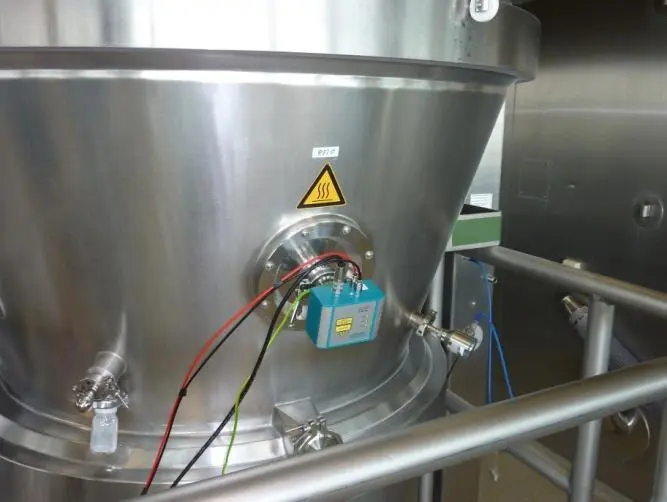
The challenge
Crystallization is dynamic, and spot samples may miss rapid events.
Crystallization is dynamic, and spot samples may miss rapid events. Inline analysis follows the population throughout the batch, revealing when nuclei appear, how crystals grow, and when the distribution stabilizes.
Crystal growth and distribution
Agglomeration, breakage, and morphology
Endpoint detection and batch comparison
Visual results
Crystals observed and quantified during the process.
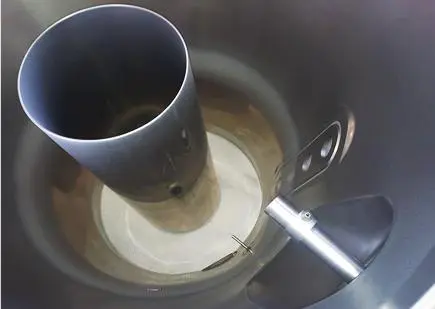
From objects to data
Continuous information that reveals change.
Size and distribution
Count and population
Shape and morphology
Real-time trends
Technology and application
SOPAT: inline imaging for crystallization monitoring.
The probe captures crystal images directly in the suspension. Processing follows count, size, shape, and distribution over time, enabling changes to be related to temperature, supersaturation, feed, and agitation.
Technical note: Optical configuration, installation point, and endpoint criteria must be validated with the user’s product, matrix, and reference method.
Technical questions
Frequently asked questions about this application.
How can crystallization be monitored in real time?
A photo-optical probe installed in the vessel continuously records images and converts the observed population into size, shape, and count trends.
How is crystal growth measured during the process?
The evolution of distributions and dimensional descriptors reveals how the population shifts over time after validation for the actual morphology.
How can nucleation be detected?
An increase in fine objects and a shift in the distribution can indicate the onset of nucleation within the validated range.
How is the endpoint identified?
Stabilization of population, size, and distribution can support an endpoint criterion correlated to the reference method.
Can inline analysis be part of a PAT strategy?
Yes. Data can support development, monitoring, and control with qualification, validation, and governance defined by the user.
Technology and application
Request a technical assessmentLet’s assess your process conditions.
Tell us the product, expected range, concentration, available point, and measurement objective.