
Bioprocesses
Inline analysis in bioprocesses
Observe cells, aggregates, and bubbles throughout cultivation.
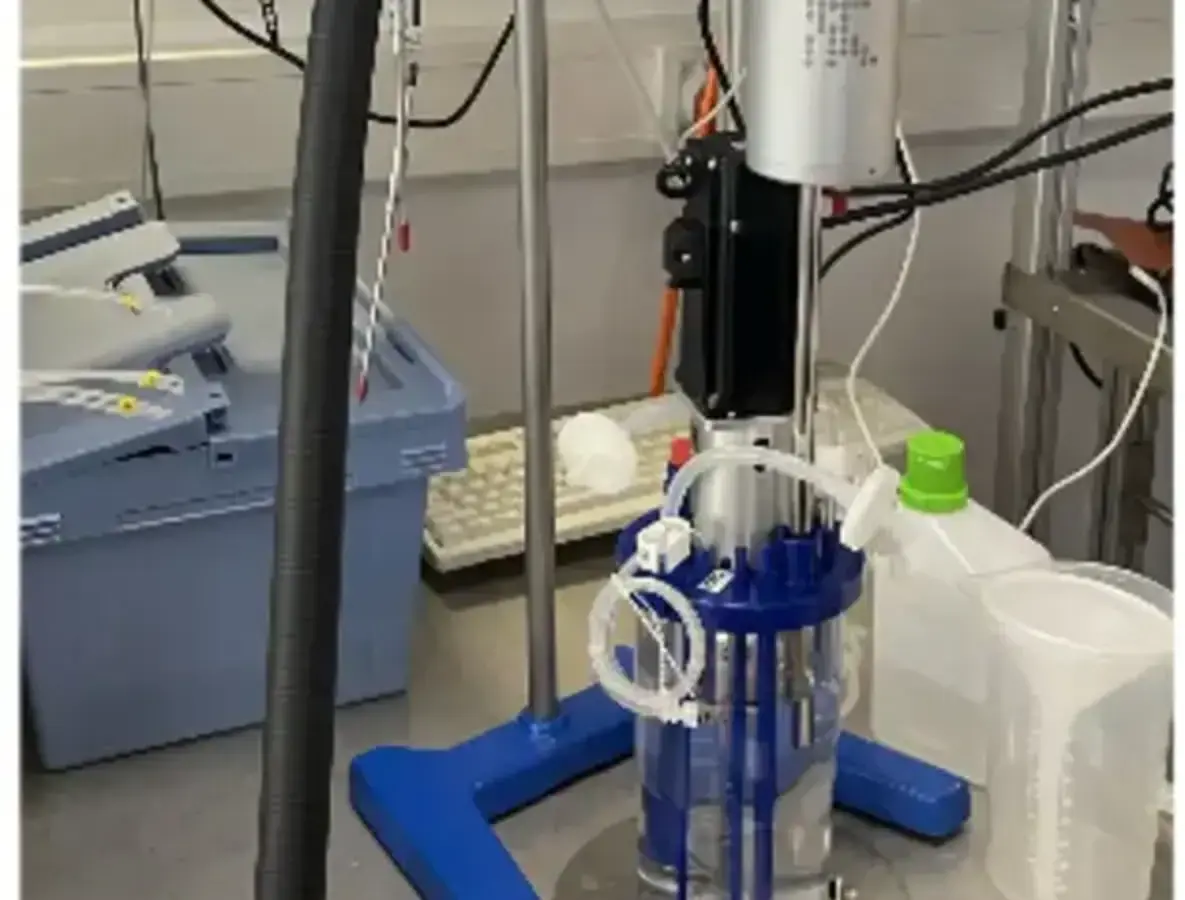
The challenge
Samples capture moments; cultures change between them.
Samples capture moments; cultures change between them. In situ images follow populations and morphology in the actual environment.
Yeast, budding, and morphology
Fungi, filaments, and pellets
Bubble size and population
Visual results
Microorganisms and cells captured in culture media.
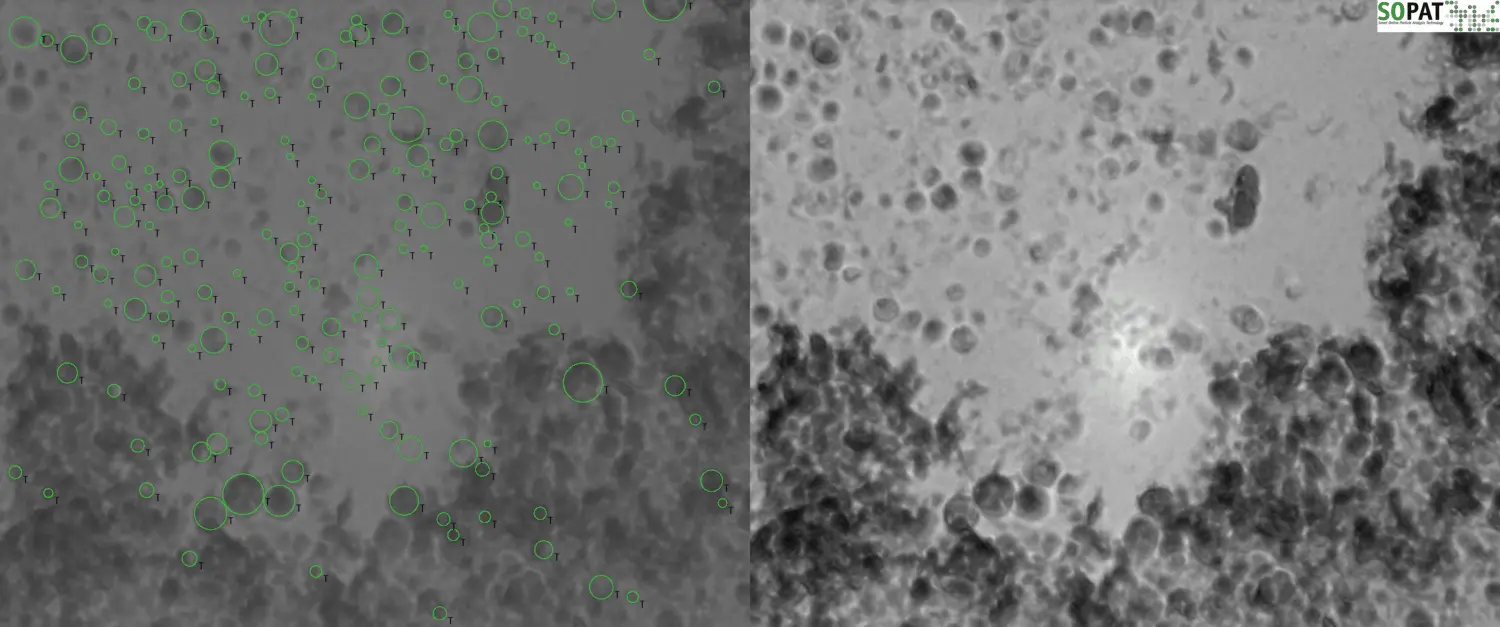
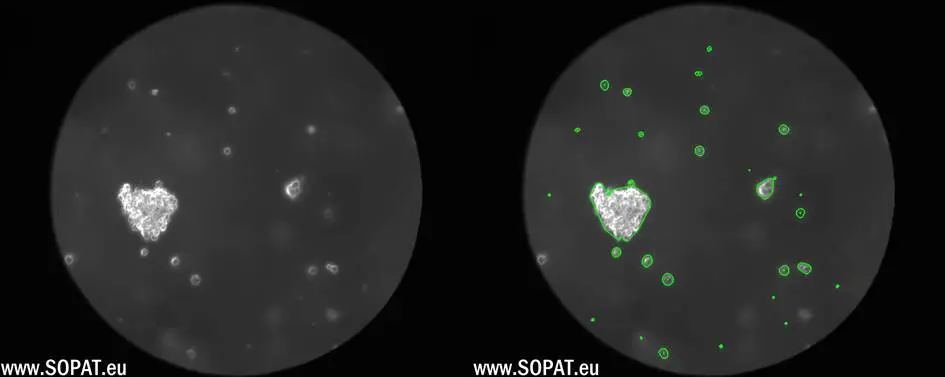
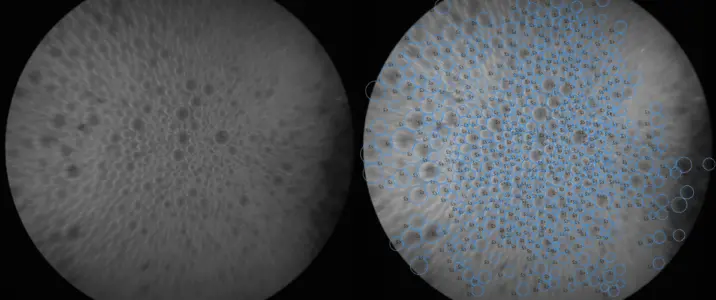
From objects to data
Continuous information that reveals change.
Size and distribution
Count and population
Shape and morphology
Real-time trends
Technology and application
SOPAT: in situ microscopy in the bioreactor.
Optics are selected for organism, density, size, agitation, bubbles, sterilization, and vessel access.
Technical note: Available variables depend on organism, contrast, concentration, optics, and algorithm validation.
Technical questions
Frequently asked questions about this application.
Can CHO cells be observed without sampling?
Yes, depending on density, vessel access, and optics.
Can it detect fungi and yeast?
Application materials show yeast and filamentous morphologies; each organism requires assessment.
Can it measure bubbles?
Yes, using an appropriate configuration for size, shape, and population.
Technology and application
Request a technical assessmentLet’s assess your process conditions.
Tell us the product, expected range, concentration, available point, and measurement objective.